
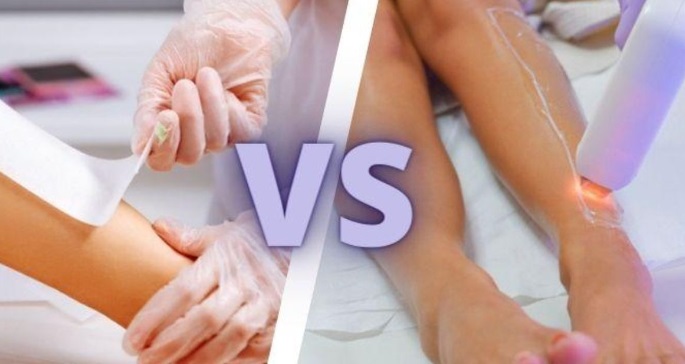
Are you constantly dealing with the hassle of removing unwanted hair?
If you live in Osaka or elsewhere in Japan, you have probably come across several ways to keep unwanted hair under control, including waxing, laser hair removal, shaving, and electrolysis. Each method works differently, and there is no single option that is best for everyone.
The right choice depends on several factors: your skin tone, hair color and texture, the area you want to treat, how quickly you want results, your tolerance for discomfort, your budget, and whether your goal is temporary hair removal, long-term hair reduction, or permanent hair removal.
One important point is often overlooked: the hair you have today is not necessarily the hair you will have after several treatments. Hair grows in cycles, and different methods affect the hair and follicle in different ways. This is one reason why choosing a method based only on price or the number of treatments advertised can lead to disappointment.
In this article, we’ll take a closer look at three of the most popular hair removal techniques: waxing hair removal, laser hair removal, and electrolysis hair removal.
If you are based in Osaka, visiting Osaka, Japan, or simply researching your options before starting treatment, this guide will help you understand the practical differences between the three methods and decide which approach makes the most sense for you.
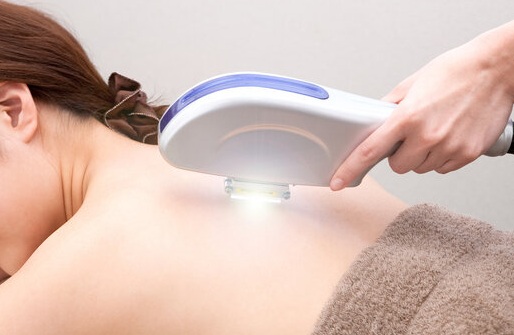
Laser hair removal is one of the most widely known professional hair removal methods.
Laser devices deliver concentrated light energy that is absorbed primarily by pigment in the hair. The energy is converted into heat, which damages the hair follicle and reduces its ability to produce hair.
Because the treatment targets pigment, the relationship between hair color and skin color is important. Modern laser systems can be used safely on a wide range of skin tones when the appropriate technology and settings are selected, but treatment requires particular care with darker or recently tanned skin.
Laser hair removal is generally most effective when there is sufficient contrast between the hair and the surrounding skin. Dark, coarse hair usually responds better than very fine or lightly pigmented hair.
This is also why laser hair removal and electrolysis are not interchangeable. A person may have excellent results with laser on dark body hair but still need electrolysis later for remaining light, gray, white, or otherwise poorly pigmented hairs.
・Efficient for large areas. Laser can treat relatively large areas much faster than a method that treats individual hairs.
・Long-term hair reduction. After a course of treatments, many people experience a substantial and long-lasting reduction in hair growth.
・Useful for coarse, dark hair. Hair containing more pigment is generally a better target for laser treatment.
・Can be practical for areas such as the legs, back, chest, arms, and underarms.
・Can help people who experience shaving-related problems. Reducing the need to shave may also reduce problems such as razor burn and ingrown hairs.
・It requires multiple treatment sessions. Hair grows in different stages, and laser treatment is most effective on hairs that are in an appropriate growth phase. This is one reason a single treatment cannot remove all of the hair permanently.
・Results depend on hair and skin characteristics. Hair color, thickness, treatment area, skin tone, and the type of laser used all affect the result.
・Very light hair can be difficult or impossible to treat effectively. Blonde, white, gray, and some red hairs contain too little of the target pigment for many laser systems to work effectively.
・Darker skin requires appropriate equipment and experience. Laser hair removal can be performed on darker skin, but choosing the correct technology and settings is particularly important because the skin itself contains more pigment.
・Some people may experience paradoxical hair growth. In uncommon cases, particularly in certain facial or hormonal areas, hair may become more noticeable or thicker after treatment. This is sometimes referred to as paradoxical hypertrichosis.
・Laser is not the same as electrolysis. Laser is generally considered a method of long-term or permanent hair reduction, while electrolysis treats individual follicles with the goal of permanent hair removal.
The American Academy of Dermatology notes that laser hair removal can be used on all skin tones when appropriately performed, while also emphasizing that experience with the patient’s particular skin tone is important. It also notes that laser does not effectively target blonde, white, gray, or red hair.
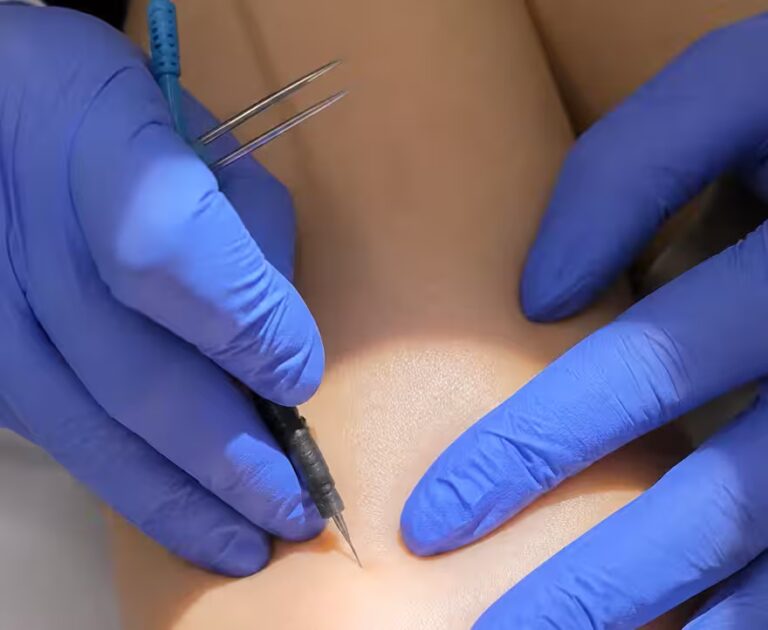
Electrolysis is fundamentally different from laser hair removal.
Instead of treating a group of hairs with light energy, electrolysis treats individual hair follicles. A very fine probe is inserted into the natural opening of the follicle, and electrical energy is used to damage the structures responsible for producing the hair.
The treated hair is then removed individually.
Because the treatment does not depend on the hair containing the same type of pigment required by laser, electrolysis can be used on dark, light, gray, white, blonde, and red hair.
This makes electrolysis particularly useful for people who have already had laser hair removal but are left with lighter or stubborn hairs that no longer respond well to laser.
It is also particularly useful when precision matters.
For example, someone who wants to shape or clean up the eyebrows, remove a small number of isolated facial hairs, or work on a specific area may prefer a method that treats individual follicles rather than an entire area.
Electrolysis has been used for hair removal for more than a century, and professional electrolysis continues to be recognized as a method for permanent hair removal. The American Academy of Dermatology also identifies electrolysis as a method capable of permanently removing unwanted hair and notes that it works on all hair colors.
・Permanent hair removal. Properly treated follicles can be permanently removed from producing hair.
・Works on all hair colors. Unlike laser, electrolysis does not depend on the hair being dark enough to absorb laser energy.
・Suitable for all skin tones. Because the treatment targets the individual follicle rather than relying on skin-versus-hair pigment contrast, electrolysis can be used across a wide range of skin tones.
・Excellent for precision work. Individual hairs can be selected, making electrolysis suitable for eyebrows, facial hair, neckline cleanup, small areas, and detailed hair removal.
・Useful after laser hair removal. Many people use laser to reduce large amounts of dark hair and then use electrolysis to deal with remaining hairs that are too light for laser.
・No dependence on hair pigment. Gray, white, blonde, and other lightly pigmented hairs can still be treated.
・It is an individual-hair treatment. Large areas naturally take more time because each follicle must be treated separately.
・Treatment can feel uncomfortable. People experience electrolysis differently, and the sensation can vary depending on the area, hair type, technique, and individual sensitivity.
・Multiple appointments may be necessary. Hair grows in cycles, so not every follicle is treatable at exactly the same time. A realistic treatment plan takes hair growth cycles into account.
・The skill of the electrologist matters. Correct probe insertion, treatment settings, sanitation, and technique are important. Poor technique can increase the risk of irritation, burns, or scarring.
For this reason, choosing an electrolysis provider should not be based only on price. Look at the practitioner’s training, experience, hygiene practices, consultation process, and ability to explain what you should realistically expect.
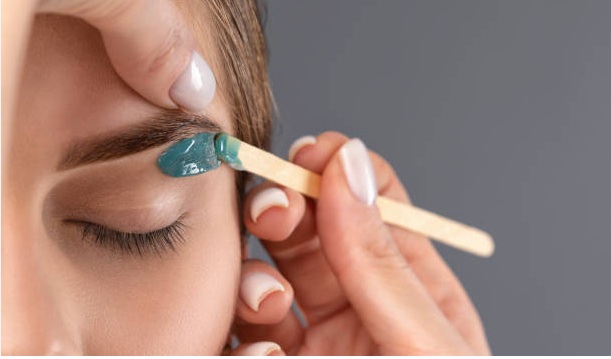
Waxing is one of the simplest ways to remove unwanted hair temporarily.
Instead of destroying the follicle, waxing removes the hair from the root. Because the visible hair is removed below the skin surface, the skin can remain smooth for longer than it would after shaving.
Waxing can be performed on relatively large areas and is often chosen by people who want immediate results without committing to a longer-term hair removal program.
However, waxing does not permanently remove the follicle. The hair will eventually grow again, so the treatment needs to be repeated.
・Immediate visible results.
・Suitable for relatively large areas.
・Usually less expensive per appointment than a long-term permanent hair removal program.
・Hair is removed from the root rather than cut at the surface.
・Convenient when you want temporary smooth skin for a particular event, trip, or occasion.
・The results are temporary. Hair will grow again and repeated treatments are necessary.
・Waxing can be painful. The sensation is particularly noticeable in sensitive areas.
・The skin can become temporarily irritated. Redness and sensitivity are common immediately after waxing.
・There is a risk of skin injury if waxing is performed incorrectly. Wax that is too hot can burn the skin, while improper removal can cause irritation or skin lifting.
・Certain medications and skincare products can make waxing unsuitable. For example, dermatologists advise against waxing while using certain medications or topical treatments that can make the skin more fragile.
・Waxing does not permanently solve unwanted hair. It is best understood as a temporary hair removal method rather than a permanent hair removal treatment.
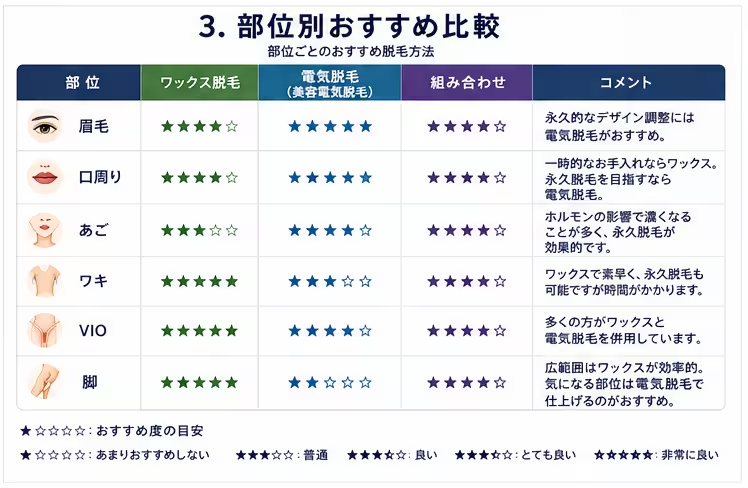
So, which hair removal method is best for you?
There is no universal answer.
The best option depends on what you are trying to achieve.
If your priority is quickly treating a large area of dark, coarse hair, laser hair removal may be a practical choice.
If your priority is temporary smooth skin, especially before a holiday, event, or other occasion, waxing may make more sense.
If your priority is permanent removal of individual hairs, particularly when the hair is gray, white, blonde, red, or otherwise unsuitable for laser, electrolysis may be the better option.
In many cases, the best answer is actually a combination of methods rather than choosing only one.
For example, someone with a large amount of dark body hair may use laser hair removal to achieve significant long-term reduction and then use electrolysis for the remaining hairs that are too light or too sparse for efficient laser treatment.
Laser is often a good option when:
・You want to treat a relatively large area.
・Your hair is sufficiently pigmented for the selected laser.
・You are looking for substantial long-term hair reduction.
・You are prepared to attend multiple treatment sessions.
・You want to reduce shaving, razor burn, or ingrown hairs.
However, laser is not automatically the best option simply because it is faster. If your remaining hair is very light, gray, or white, continuing to use laser may not provide the result you are looking for.
Waxing may be appropriate when:
・You want immediate results.
・You do not need permanent hair removal.
・You are comfortable repeating treatment as the hair grows back.
・You want to prepare an area for a particular occasion or period.
Waxing is a practical temporary option, but it should not be confused with a permanent hair removal method.
Electrolysis may be the better choice when:
・You want permanent hair removal.
・Your hair is gray, white, blonde, red, or otherwise difficult to treat with laser.
・You are treating a relatively small or precise area.
・You want to shape or refine an area such as the eyebrows.
・You have already completed laser hair removal and are dealing with remaining individual hairs.
・You want a method that does not depend on the contrast between your skin and hair color.
One of the biggest advantages of electrolysis is precision. Rather than treating an entire area simply because hair is present there, the practitioner can work directly on individual follicles.
That difference becomes particularly important for facial hair and other areas where even a small number of unwanted hairs can be noticeable.
Before booking any treatment, consider five things.
1. Hair color
Dark hair generally responds well to laser. Gray, white, blonde, and some red hairs can be difficult or impossible for laser to target effectively, making electrolysis a more suitable option.
2. Skin tone
Laser treatment can be performed on a broad range of skin tones, but the appropriate laser and settings matter. People with darker skin should choose a provider who has appropriate experience with their skin tone.
3. Treatment area
Large areas and individual hairs are very different treatment problems. Laser can cover large areas efficiently, while electrolysis is particularly useful for detailed work.
4. Your goal
Are you looking for temporary hair removal, long-term reduction, or permanent hair removal?
This is perhaps the most important question.
5. The person performing the treatment
The technology itself is only part of the equation. Training, experience, treatment technique, hygiene, consultation, and appropriate treatment selection all influence the experience and outcome.
The American Academy of Dermatology specifically recommends discussing factors such as skin coloring, expected number of treatments, possible side effects, and whether another treatment may be more appropriate during a laser consultation.

If you are searching for laser hair removal, waxing, or electrolysis in Osaka, do not choose a provider based only on the lowest advertised price.
Ask what method is actually being used, who performs the treatment, what type of training they have, what results are realistic, and how the provider handles consultation and aftercare.
For electrolysis in particular, the quality of the practitioner matters because the treatment requires precise work on individual follicles.
At Pinsia in Osaka, we focus specifically on electrolysis hair removal and individualized treatment rather than treating every client with the same approach.
We understand that clients come to electrolysis for different reasons. Some have never had hair removal before. Others have already undergone laser treatments and are looking for a solution for remaining hairs. Some want to remove only a small number of hairs, while others are working gradually toward a larger goal.
The consultation is therefore an important part of the process.
Rather than promising that every person will achieve the same result in the same number of sessions, the appropriate approach is to look at the individual’s hair, treatment area, previous hair removal history, and goals before deciding how to proceed.
If you are looking for electrolysis hair removal in Osaka, you can learn more about treatment at Pinsia.
Neither method is automatically better for everyone.
Laser is generally more efficient for reducing large amounts of suitable, pigmented hair. Electrolysis is slower because follicles are treated individually, but it can permanently remove individual hairs regardless of hair color.
For some people, the most practical approach is laser for initial reduction followed by electrolysis for remaining hairs.
Yes. Electrolysis does not rely on the hair containing pigment in the same way laser hair removal does, so gray and white hairs can be treated.
Laser hair removal can be performed on darker skin, but the laser technology, settings, and experience of the provider are important. The American Academy of Dermatology notes that people of all skin tones can safely undergo laser hair removal when appropriately treated, while emphasizing the importance of experience with the patient’s skin tone.
No. Waxing removes the hair from the root, but it does not permanently destroy the hair follicle. Regrowth is expected.
There is no single number that applies to everyone.
Hair grows in cycles, and the total treatment time depends on the area, density of the hair, previous hair removal methods, hair growth pattern, and individual response.
A reputable provider should explain this rather than guaranteeing a specific number of sessions before seeing the area.
Yes. In fact, laser and electrolysis can complement each other.
Laser can reduce large amounts of dark hair efficiently, while electrolysis can be used for remaining hairs that are too light or otherwise unsuitable for laser.
If permanent hair removal is your primary goal, electrolysis is the most precise option because individual follicles are treated directly and the method can be used regardless of hair color.
Laser is generally used for long-term or permanent hair reduction, rather than treating every individual follicle in the same way.
Choosing hair removal is not simply about choosing between three technologies.
It is about choosing the method that makes sense for your hair, your skin, your treatment area, and your goal.
Waxing can be an excellent temporary solution. Laser can be highly effective for reducing large areas of suitable hair. Electrolysis can provide a precise solution when permanent hair removal is the goal, particularly for hairs that laser cannot effectively target.
If you are unsure which method is right for you, a consultation is often the best place to start.
At Pinsia, we are happy to explain what electrolysis can and cannot realistically achieve so that you can make an informed decision before beginning treatment.
For clients in Osaka who are looking specifically for electrolysis hair removal, you can learn more about Pinsia and our treatment approach at pinsia.com.
The information in this article is based on established dermatology and regulatory sources, including the American Academy of Dermatology and U.S. Food and Drug Administration.
We recommend speaking with an appropriately qualified professional about your individual circumstances, particularly if you have a skin condition, take medication that affects your skin, or have concerns about previous hair removal treatment.